
01
Confirm your download source
Start from a source you trust. Compare the page address before downloading and avoid urgent prompts or suspicious redirects.
Read the guide ↗Explore the principles behind self-custody, local credentials, recovery phrase backups, multi-chain asset views, and clear transaction checks.
Explore the getting-started path ↗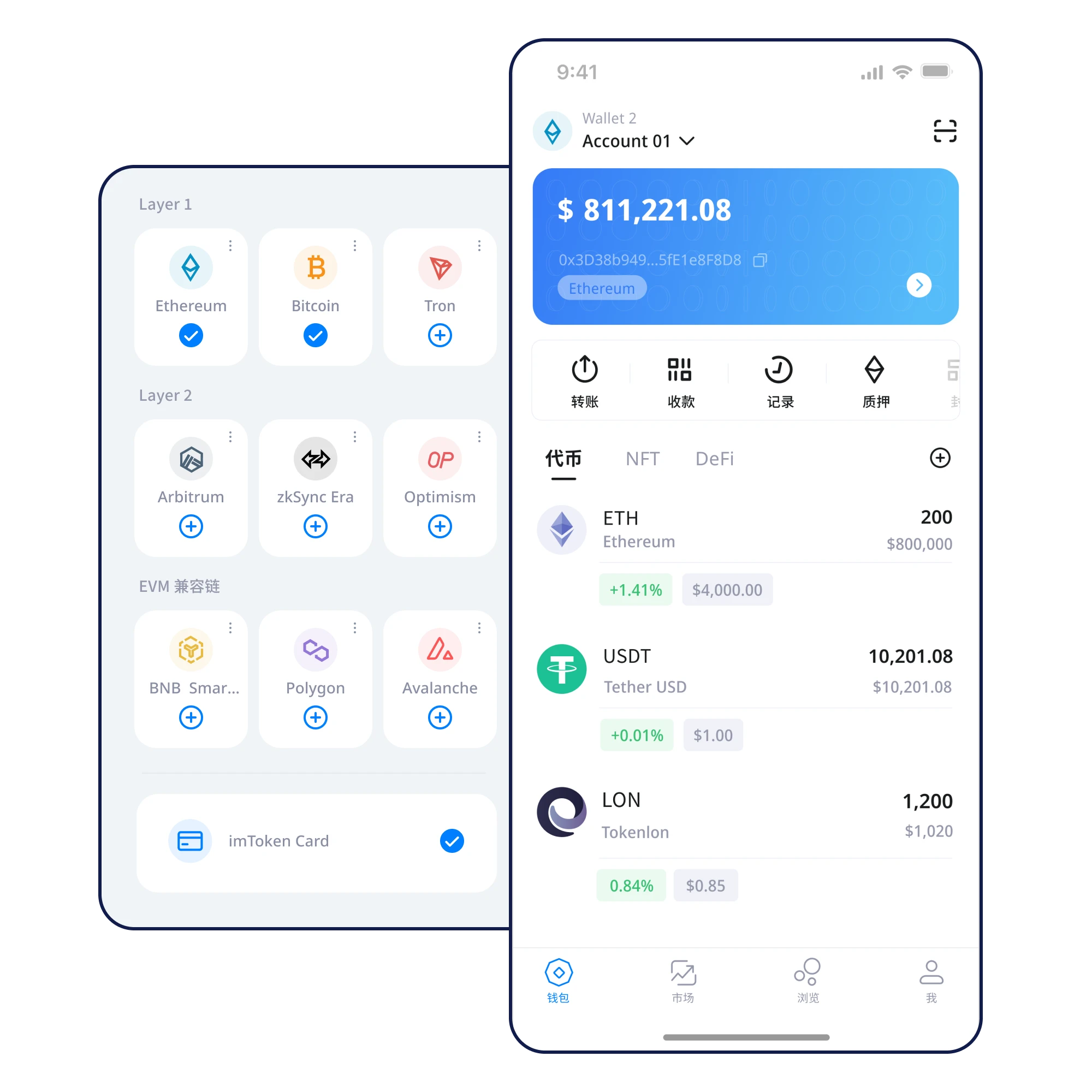
The product experience
See how a calm interface can support deliberate choices. All balances below are mock data.
Similar token names may appear on different chains. Confirming the correct network is a fundamental wallet habit.
Explore multi-chain management →Six steps to get started
Start from a source you trust. Compare the page address before downloading and avoid urgent prompts or suspicious redirects.
Read the guide ↗Check your device and choose between creating a new wallet and importing an existing one. Never rush past security warnings.
Read the guide ↗Write down every word in order away from cameras, screenshots, cloud notes, and anyone who might see it.
Read the guide ↗Check the copy for accuracy and store it somewhere protected from loss and unauthorized access.
Read the guide ↗Learn which networks hold your assets. A token symbol alone is not enough to identify the right transfer route.
Read the guide ↗Review destination, network, amount, fees, and any signing permission before you confirm the action.
Read the guide ↗Core capabilities
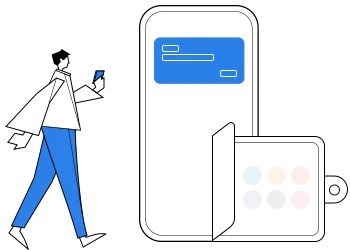
Know what must remain private and how device security relates to your credentials.
Explore the principle ↗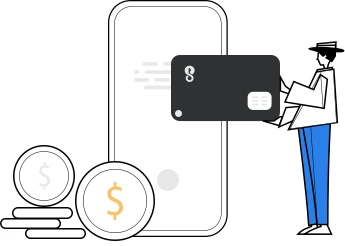
A practical offline backup helps you prepare for device loss or replacement.
Explore the principle ↗
Network and address checks are meaningful steps, not just buttons to click through.
Explore the principle ↗
A safety-first perspective
Keep your wallet credentials under your control.
Review the network, address, amount, and approval.
Maintain a safe and tested recovery plan.
The learning library
Each guide focuses on a practical decision, from installation and backups to phishing checks.
Real decisions, clearer guidance
Prepare your device, check the download source, create a wallet, and protect recovery credentials before receiving assets.
Read guidance ↗Build a reliable overview of tokens and networks, including what token names and balances do not tell you.
Read guidance ↗Check the chain, destination, token, amount, fees, and permissions before approving a digital asset transaction.
Read guidance ↗Plan a device change by verifying backups, checking the new installation, restoring, and retiring the old device.
Read guidance ↗Recognize lookalike domains, fake support requests, malicious approval prompts, and urgent-signature scams.
Read guidance ↗Understand offline credential storage, connected device exposure, and the limits of the cold-wallet concept.
Read guidance ↗Risk awareness
Lookalike sites, malicious approvals, wrong networks, and exposed credentials can cause losses.
Frequently asked questions
This website describes self-custody principles. Actual control of keys depends on the implementation and terms of the wallet you use.
Fetching live blockchain data and broadcasting transactions generally require connectivity. Offline backup tasks do not.
Record it offline, store it securely, and avoid photos, cloud storage, messages, or sharing it with anyone.
A private key controls associated assets. A recovery phrase typically derives or restores wallet keys. Both are sensitive.
A more considered starting point
Check the source, plan an offline backup, and review each transaction before signing.
⬇ Download NowReview the source and device security before installing.